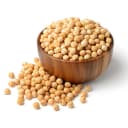
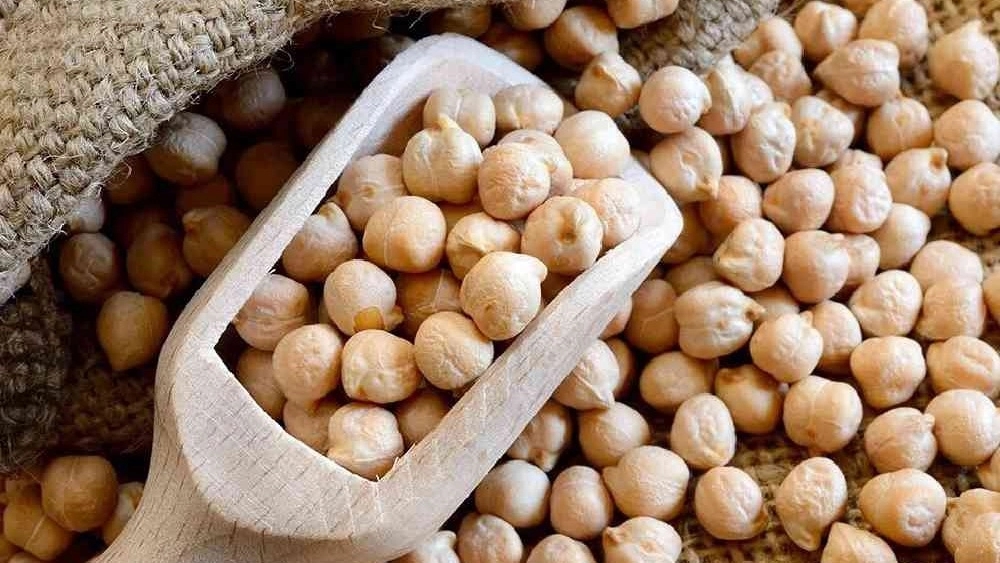
Pea is rich in fiber and protein. They contain several key vitamins and minerals. Some of the benefits of chickpeas may include helping to reduce the risk of type 2 diabetes and supporting brain and nervous system function. Peas or garbanzo beans are a type of legume. The most common type is round and beige in color, but other types are black, green or red. Their nutrients have various health benefits. Researchers believe that chickpeas may have originated in Syria and ancient Egypt. They are a kind of dry edible seeds inside the legume pod.
Benefits of peas
Pea contains a wide range of nutrients including protein and is necessary for healthy bones, muscles and skin. For people who don't eat meat or reduce their meat intake, for example, a meal of chickpeas and rice can provide a significant amount of protein in the diet. One cup of chickpeas provides about one-third of an adult's daily protein needs. Nutrients in chickpeas may also help prevent or benefit several diseases.
Diabetes
Bone health
Iron, calcium and other nutrients in chickpeas can contribute to healthy bone structure and strength. Legumes like peas can help in the diet of people who want to prevent osteoporosis.
Blood pressure
To prevent high blood pressure, experts recommend limiting sodium or added salt intake and increasing potassium intake. Potassium can help lower blood pressure by removing sodium from the body.
Adults should consume at least **** mg of potassium per day. A cup of chickpeas weighing 164 grams provides 477 milligrams of potassium.
Reducing sodium intake can lower blood pressure in people with or without high blood pressure.
Adults should limit their sodium intake to less than 2,300 milligrams per day, while those over 51 and those with cardiovascular disease risk factors should consume less than 1,500 milligrams per day.
2. Heart health
The fiber, potassium, B vitamins, iron, magnesium, and selenium in chickpeas all support heart health. Fiber reduces the risk of heart disease by lowering blood cholesterol levels. A diet rich in legumes, such as peas, can help lower LDL cholesterol, which can be beneficial for heart health.
Cancer
Free radicals are toxic substances that accumulate in the body as a result of metabolism and other factors. As these toxins accumulate, they can damage cells and lead to a variety of health problems, including cancer.
Selenium and beta-carotene in chickpeas act as antioxidants that help the body eliminate free radicals.
One cup of chickpeas contains 6.1 micrograms (mcg) of selenium. Adults should consume 55 micrograms of selenium per day. It also suggests that selenium's antioxidant activity may help protect the body against cancer.
Additionally, chickpeas are a good source of fiber, and eating a diet high in fiber can help reduce the risk of colon cancer.
Cholesterol
When subjects consumed a diet containing chickpeas compared to a diet containing added wheat for 5 weeks, they had lower LDL or bad cholesterol. Eating chickpeas reduced serum total cholesterol (TC) and LDL cholesterol. Chickpeas may be beneficial for cholesterol due to their dietary fiber and protein content, along with enzyme inhibitors and tannins.
Mental health
One cup of chickpeas contains 70.2 mg of choline and helps brain and nervous system function. Choline plays a role in mood, muscle control, learning and memory, as well as the body's metabolism.
The ODS recommends that adults consume 400-550 mg of choline per day, depending on gender and whether they are pregnant or breastfeeding.
Some research suggests that selenium deficiency may increase the risk of cognitive decline in older adults. This means that selenium may support cognitive health, including memory and thinking.
2- Digestion and order
Fiber helps keep the digestive system healthy and increases regularity and comfort. Chickpeas and other legumes are good sources of fiber. Adding peas to the diet leads to a significant increase in fiber intake in the diet, which has benefits for digestion and other body processes.
1- Weight and satiety control
Dietary fibers act as bulking agents in the digestive system. Bulking agents increase the feeling of fullness after a meal, and protein has the same effect.
Feeling full longer after eating can help reduce appetite and reduce calorie intake.
Legumes, such as peas, contain insoluble and soluble fiber, which can delay gastric emptying and slow the movement of digested food through the small intestine.
Reduce the possibility of anemia
Without iron, the body cannot deliver oxygen to its cells and this can lead to iron deficiency anemia. Symptoms include weakness and fatigue. In severe cases, life-threatening complications may occur.
One cup of chickpeas contains 4.7 milligrams of iron, providing one-fifth of a person's daily requirement, depending on the individual. Eating chickpeas regularly may help reduce the risk of iron deficiency.